WHAT IS HYPERTENSION
Hypertension, also known as high blood pressure
is a long-term health condition in which the force of blood against the walls of your arteries stays higher than normal. It means your heart must work harder to pump blood throughout your body. Over time, sustained high blood pressure can damage blood vessels and vital organs such as the heart, brain, kidneys, and eyes.
How Blood Pressure Is Measured
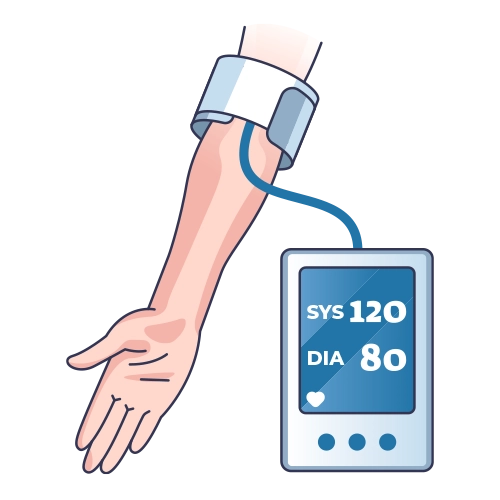
Blood pressure is recorded as two numbers:
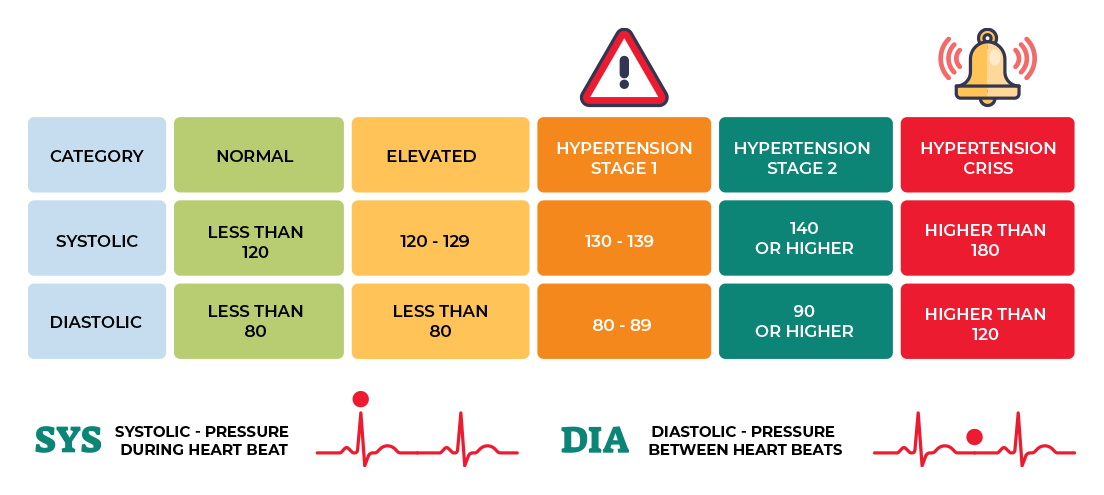
- Systolic pressure is the higher number, indicating the pressure when your heart beats.
- Diastolic pressure is the lower number, indicating the pressure when your heart relaxes between beats.
Normal blood pressure is generally considered less than 120/80 mm Hg. Hypertension is diagnosed when blood pressure consistently measures above certain thresholds, such as a systolic reading of 130 mm Hg or higher or a diastolic reading of 80 mm Hg or higher.
Understanding Your Numbers
| Age Group | Commonly Observed Systolic/Diastolic (mm Hg) | Recommended Target (General Adult Guidelines) |
|---|---|---|
| Young Adults (19–40) | 100–120 / 60–80 | < 120 / < 80 |
| Midlife (41–60) | 110–130 / 70–85 | < 120 / < 80 |
| Older Adults (61+) | 120–140 / 70–90 | < 130 / < 80 (individualized) |
Diagnostic thresholds for hypertension are consistent across adult age groups. Treatment targets may vary depending on overall health and physician guidance.
CAUSES
That Contributes to High Blood Pressure
Hypertension often develops gradually and may result from a combination of biological, genetic, and lifestyle-related factors. In many individuals, no single cause is identified, but certain conditions and long-term habits can increase the likelihood of elevated blood pressure. Understanding these contributing factors helps explain why hypertension can affect people differently and why management approaches may vary.
Age-related changes
Family history of hypertension
High salt intake over time
Chronic stress
Being overweight or obese
Underlying medical conditions
Low levels of physical activity
Tobacco and excessive alcohol use
SIGNS & SYMPTOMS
HEADACHE

DIZZINESS
BLURRED VISION
CHEST DISCOMFORT
SHORTNESS OF BREATH

FATIGUE
Many people with hypertension experience no symptoms at all, which is why it is often called a silent condition and regular blood pressure checks are important.
Who Gets Hypertension?
All Genders

Very Common